
Temporary Flooring and Staging Panels for Concrete Works
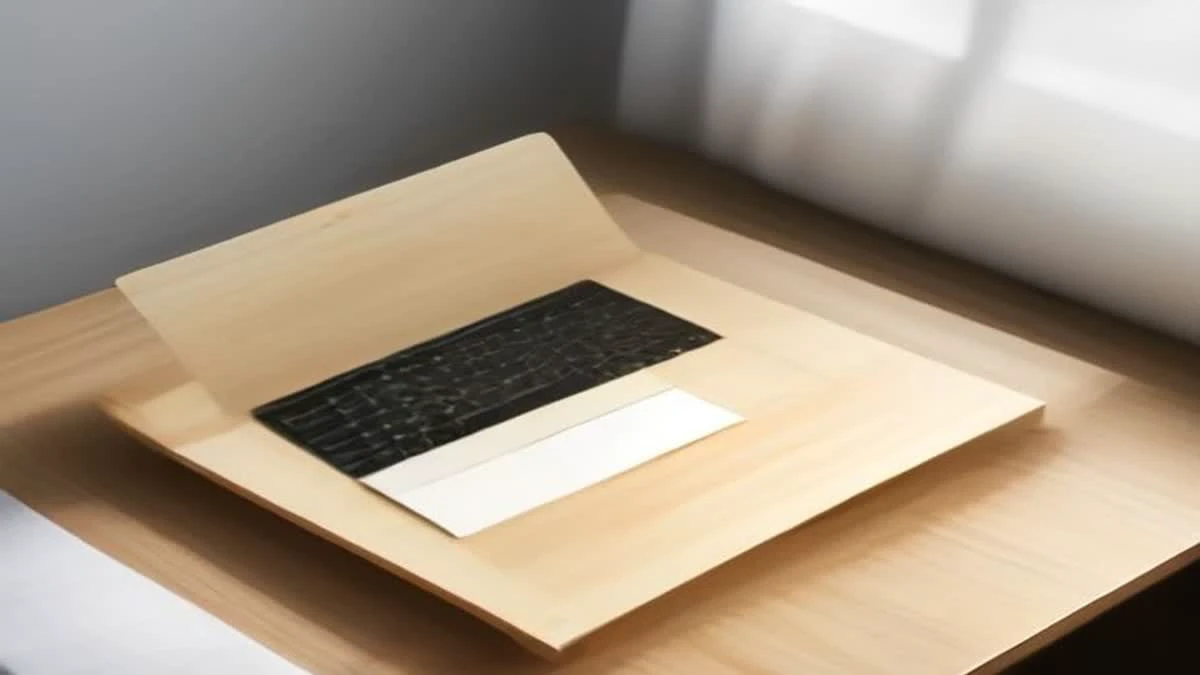
Temporary flooring on a concrete worksite is a safety system, not just a surface. Anti-slip Film Faced plywood from Dongstar Wood is published in sizes from 1220 × 2440 mm to 1500 × 3000 mm, with thickness ranging from 9 mm to 21 mm, and the hexagonal textured surface is designed to provide grip on formwork platforms, high-risk access areas and industrial infrastructure projects.
Key takeaways
- Hexagonal textured phenolic film provides grip on formwork platforms and scaffolding boards.
- Thickness ranges from 9 mm to 21 mm for different load requirements.
- WBP Phenolic, Melamine and E1/E0 adhesives cover moisture-resistant to interior applications.
- Panels are available single-sided (smooth reverse) or double-sided for different site conditions.
Why temporary flooring is a safety decision
On a concrete worksite, temporary flooring is the surface that workers stand on, walk across and carry materials over, often at height and often in wet conditions. A panel that slips underfoot, flexes under load or degrades after a single pour creates a safety hazard that costs more in incident response than the panel itself. The grip surface on a temporary flooring panel is not a luxury feature — it is the primary functional requirement, and it must hold under the specific conditions the site presents: wet concrete, rain, cleaning water and foot traffic from workers in safety boots.
Dongstar Wood's wire mesh film faced plywood uses a textured hexagonal phenolic film that is designed for these conditions. The hexagonal pattern provides multi-directional grip — the surface resists sliding in every direction, not just along a single axis — and the phenolic film resists the alkaline environment of fresh concrete. For sites where the panel will be walked on during and after the pour, the grip surface is the difference between a safe access platform and a liability.
Thickness and load capacity
The published thickness range for wire mesh film faced plywood runs from 9 mm to 21 mm, and the choice depends on the load the panel must support and the span between supports. At 9 mm, the panel serves as a light-duty walking surface over closely spaced supports — scaffold frames with 400 mm centres, for example, where the span is short and the load is limited to foot traffic. At 12 mm and 15 mm, the panel handles medium-duty applications: staging platforms that support workers and tools, temporary flooring over subfloor structures and access ramps that carry wheeled equipment.
At 18 mm and 21 mm, the panel supports heavy loads: bridge deck formwork, industrial concrete slab formwork and high-rise shuttering where the panel must resist deflection over longer spans. The 21 mm option is the published choice for bridge decks and high-load platforms, where the concrete weight and the construction equipment loads combine to create forces that thinner panels cannot resist without visible deflection.
Single-sided versus double-sided film
Wire mesh film faced plywood is available with the textured surface on one side and a smooth reverse on the other, or with the textured surface on both sides. The single-sided option is the standard choice for formwork panels where one face contacts the concrete and the other rests on the support structure. The smooth reverse provides a flat bearing surface that distributes the load evenly across the support, while the textured face grips the concrete surface and the workers' boots.
Double-sided panels serve applications where both faces will be walked on or where the panel will be reused across pours with alternating orientations. A staging platform that is flipped between pours, for example, benefits from a textured surface on both sides, because the panel provides grip regardless of which face is up. The buyer should specify the film configuration at the point of order to avoid receiving a single-sided panel for a double-sided application.
Adhesive options and moisture exposure
Water reaches temporary flooring panels from several directions at once: wet concrete, rain, cleaning between pours and storage in open yards. The adhesive determines how the panel handles that exposure. WBP — Boiling Water Resistant — and Phenolic adhesives provide the moisture resistance that exterior formwork demands, and they are the standard glue choices for wire mesh panels intended for reuse. Melamine adhesive provides a middle ground — better moisture resistance than E1 or E0, but less durable under sustained wetting than WBP.
E1 and E0 adhesives cover interior applications where moisture exposure is limited, such as temporary flooring in covered structures or indoor staging platforms that are protected from rain. Specifying E1 for an exterior application is a cost saving that risks panel degradation, so the buyer should match the adhesive to the actual exposure conditions rather than the budget target.
| Application | Thickness | Adhesive | Film configuration |
|---|---|---|---|
| Light-duty walking surface | 9 mm | E1 or Melamine | Single-sided |
| Staging platforms, access ramps | 12–15 mm | Melamine or WBP | Single-sided |
| Bridge deck formwork | 18–21 mm | WBP or Phenolic | Double-sided |
| Industrial slab formwork | 18–21 mm | WBP or Phenolic | Single or double-sided |
Worked example: panel count for a staging platform
A staging platform measuring 6 m × 3 m requires 6 × 3 = 18 m² of panel area. A standard sheet measuring 1220 × 2440 mm covers 2.98 m², meaning the platform needs 18 ÷ 2.98 = 6.04 sheets, so 7 sheets minimum to cover the area without gaps. If the same platform uses 1500 × 3000 mm sheets, each sheet covers 1.5 m × 3.0 m = 4.5 m², and the order drops to 18 ÷ 4.5 = 4 sheets — a reduction of 3 sheets, which cuts handling time and the number of joints on the platform surface.
For the load calculation, a 12 mm panel over a 400 mm span supports roughly 2.5 kN/m² of uniformly distributed load, which is sufficient for foot traffic and hand-carried tools. At 18 mm, the same span supports roughly 5.0 kN/m², which accommodates wheeled equipment and stacked materials. The Wire Mesh Film Faced Plywood page publishes the thickness range and adhesive options, and the film faced range covers the standard formwork panels that pair with the anti-slip surface for a complete staging system.
Frequently asked questions
What thickness is standard for scaffolding boards?
The published guidance places 12 mm to 15 mm as the standard thickness for scaffolding boards and staging platforms, where the panel must support foot traffic and hand-carried tools over spans of 400 mm to 600 mm. For heavier loads — wheeled equipment, stacked materials — 18 mm provides the stiffness needed to prevent visible deflection.
Can wire mesh panels be reused across multiple pours?
Yes. The hexagonal phenolic film surface is designed for reuse, and the WBP or Phenolic adhesive provides the moisture resistance that multiple pour cycles demand. How many times a panel can be reused depends on stripping, cleaning and storage care between pours, but the grip surface retains its texture across multiple uses when the panels are maintained properly.
Is a trial order subject to a minimum volume?
No. The published monthly volume marks what the plant is able to load, never a compulsory minimum. Site teams usually send a trial batch first to judge packing and flatness on arrival, then set a monthly delivery rhythm against the production lines.
Selecting the right grip surface for your site
Temporary flooring is a safety system, and the grip surface is its primary function. Match the thickness to the load, the adhesive to the exposure conditions and the film configuration to the site layout. Read the Wire Mesh Film Faced Plywood product page for the full specification, and check the company profile to confirm the factory footprint and certification set before committing to a site programme.
Every number in this piece was drawn from the mill's website on 29 Sept 2026[1].